Trip reports
Kanagawa’s Morning Markets: Where Local Flavors and Culture Meet
Shopping in Kanagawa is more than just visiting touristy areas; it's about discovering the authentic heartbeat of local communities. The prefecture's morning markets, for example, offer something far more valuable than convenient shopping. You’ll find here genuine connections to the rhythms, traditions, and people that define everyday life in Kanagawa.
Set your alarm and arrive early to catch some of these morning markets at their liveliest, when the selection is best and the energy is absolutely buzzing!
Kanagawa Yamato Old Folk Tools and Antiques Market
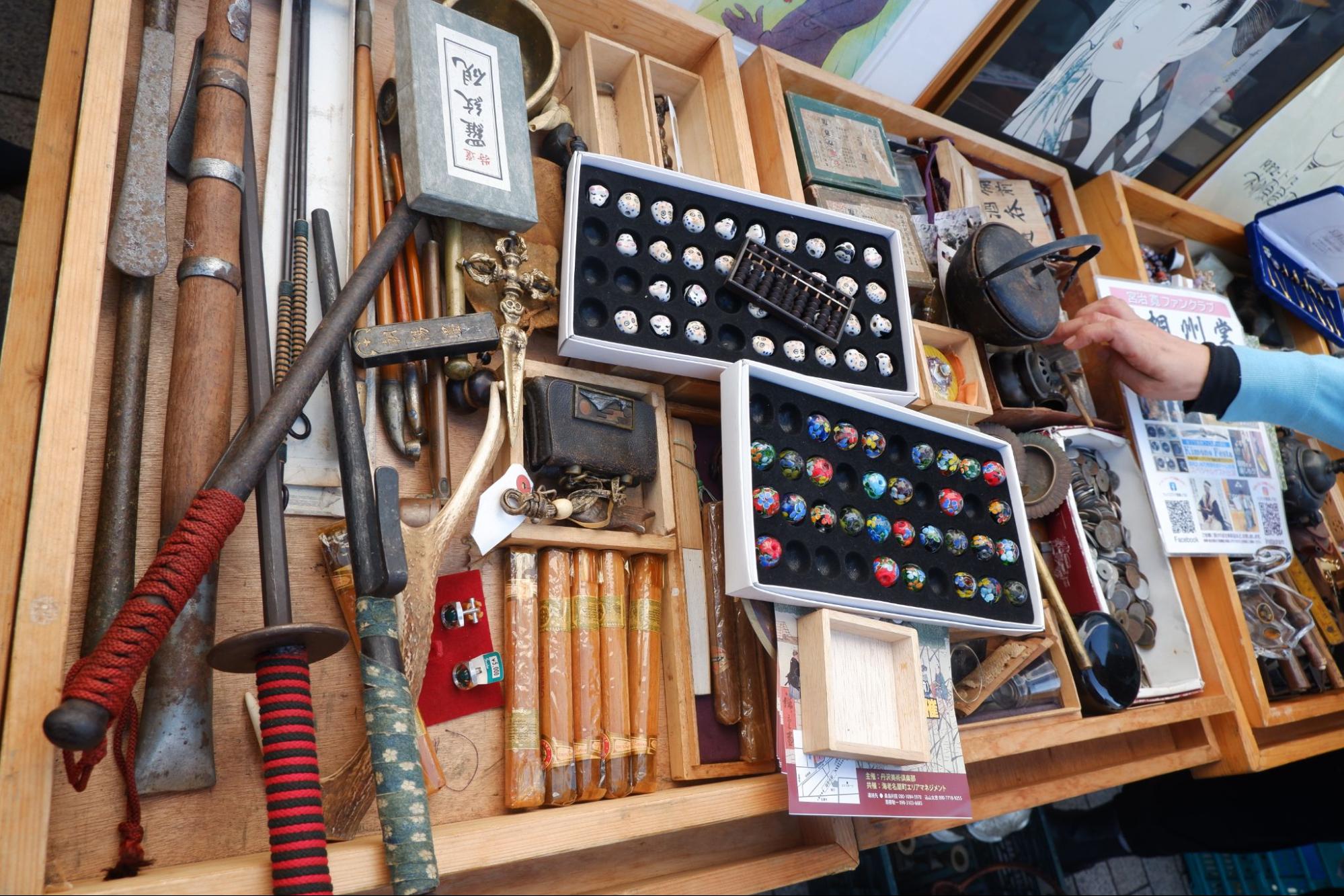
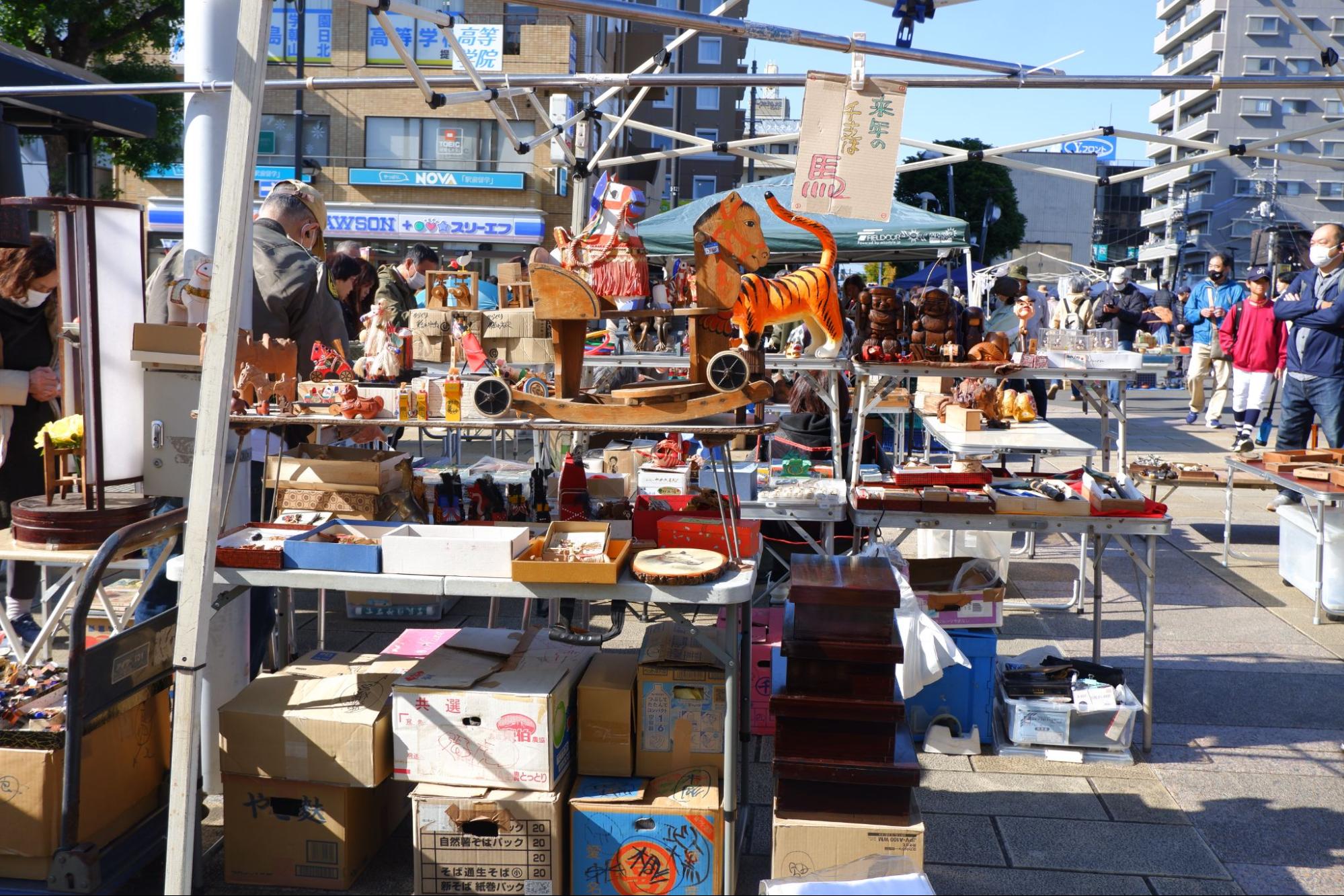
For collectors and history enthusiasts, the Kanagawa Yamato Old Folk Tools and Antiques Market is a treasure trove waiting to be explored. Held regularly every Saturday of the month (rain or shine!) in Yamato City, this market specializes in vintage Japanese folk tools, antiques, and nostalgic items that tell stories of generations past.
The market was first held in April 1998 at Yamato Station through the combined efforts of the merchants association, local government, and booth operators aiming to invigorate local commerce and revive Yamato City. What began with just 67 booths has since grown into one of Japan’s leading antique markets, now featuring 250 to 300 vendors.
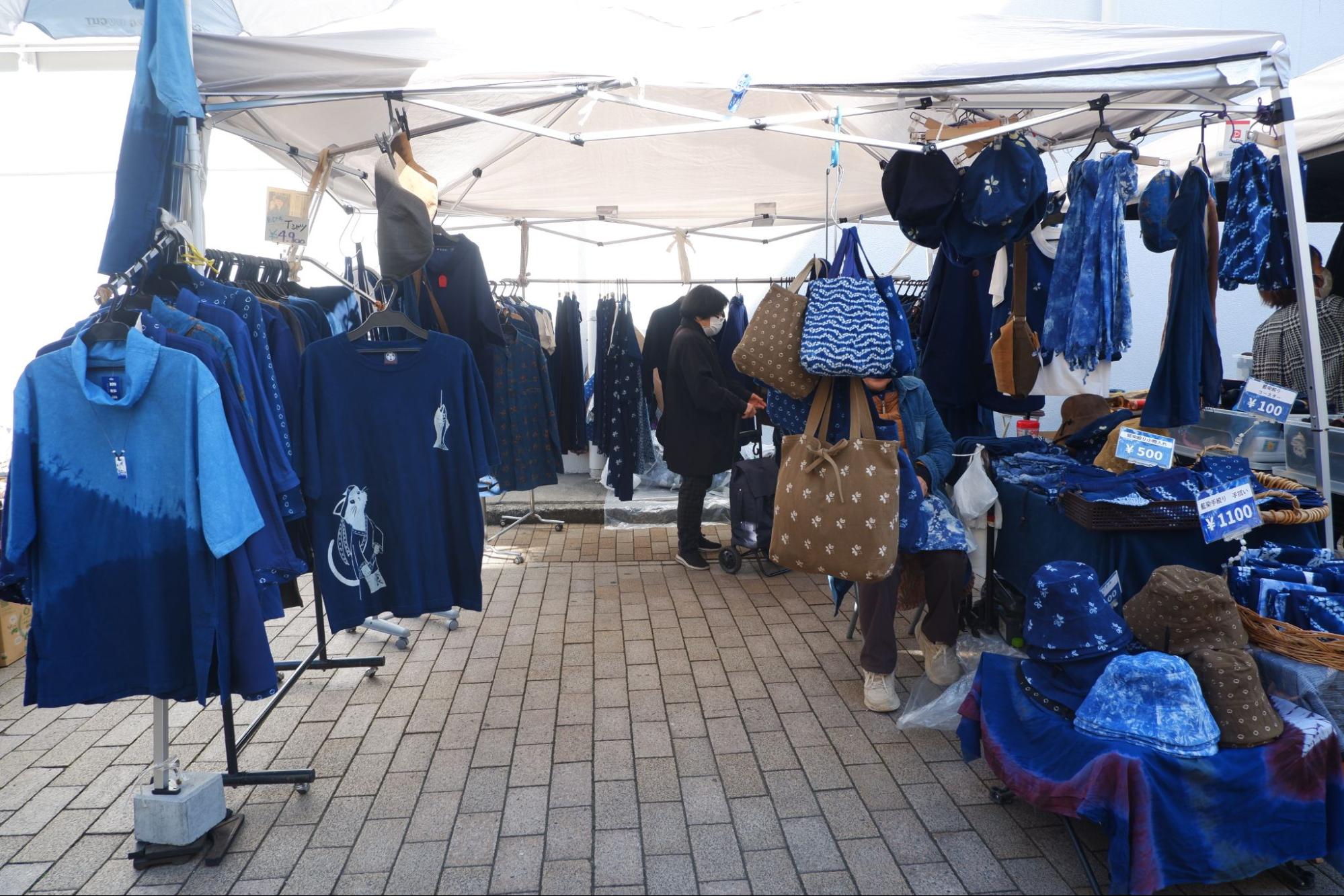
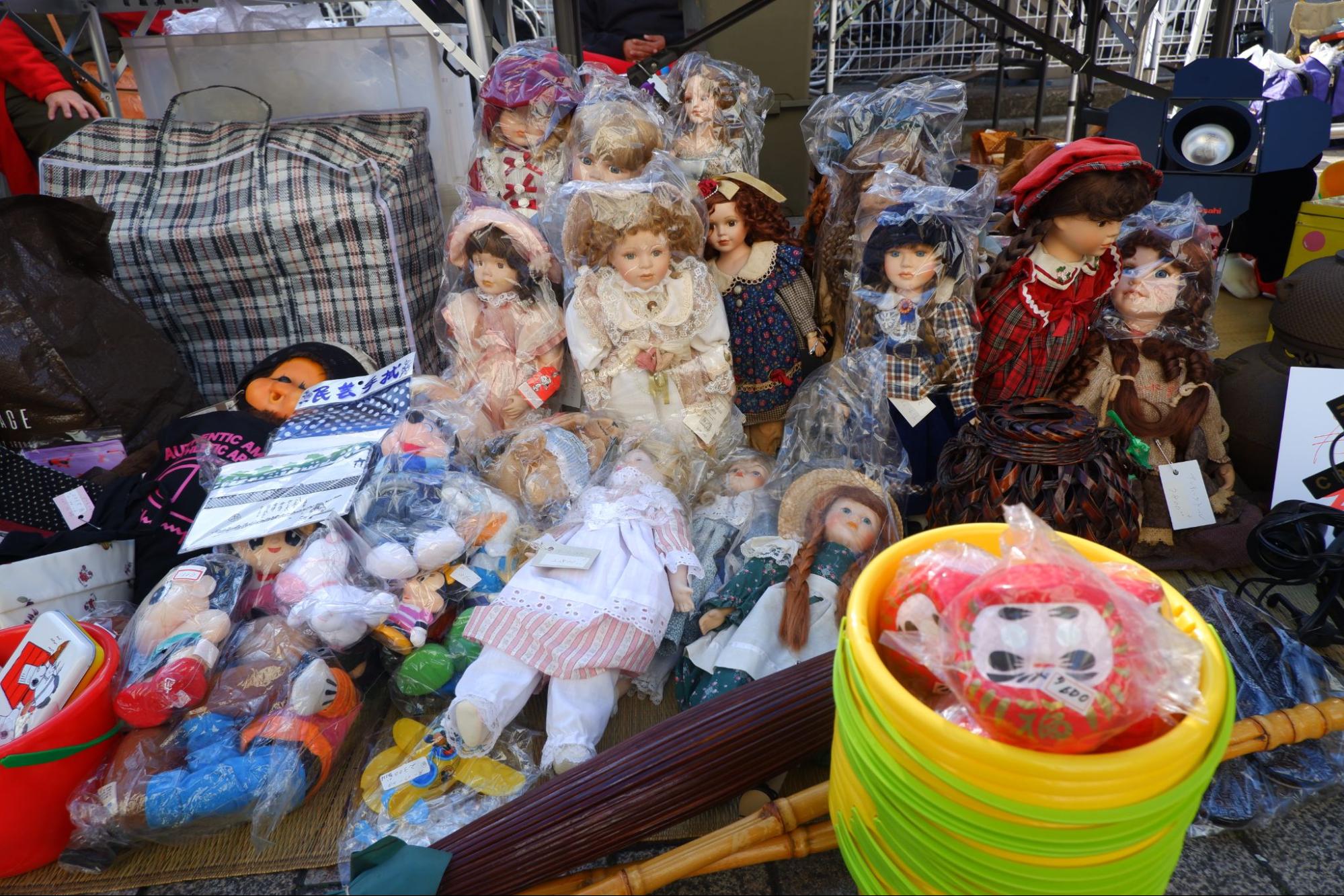
Running from 7am to 4pm, Kanagawa Yamato Old Folk Tools and Antiques Market offers an impressive variety of items—folk utensils, pottery, lacquerware, Western antiques, netsuke (mini sculptures), toys, old coins, cameras, textiles, kimono, records, and more. Wandering through the stalls feels like stepping back in time!
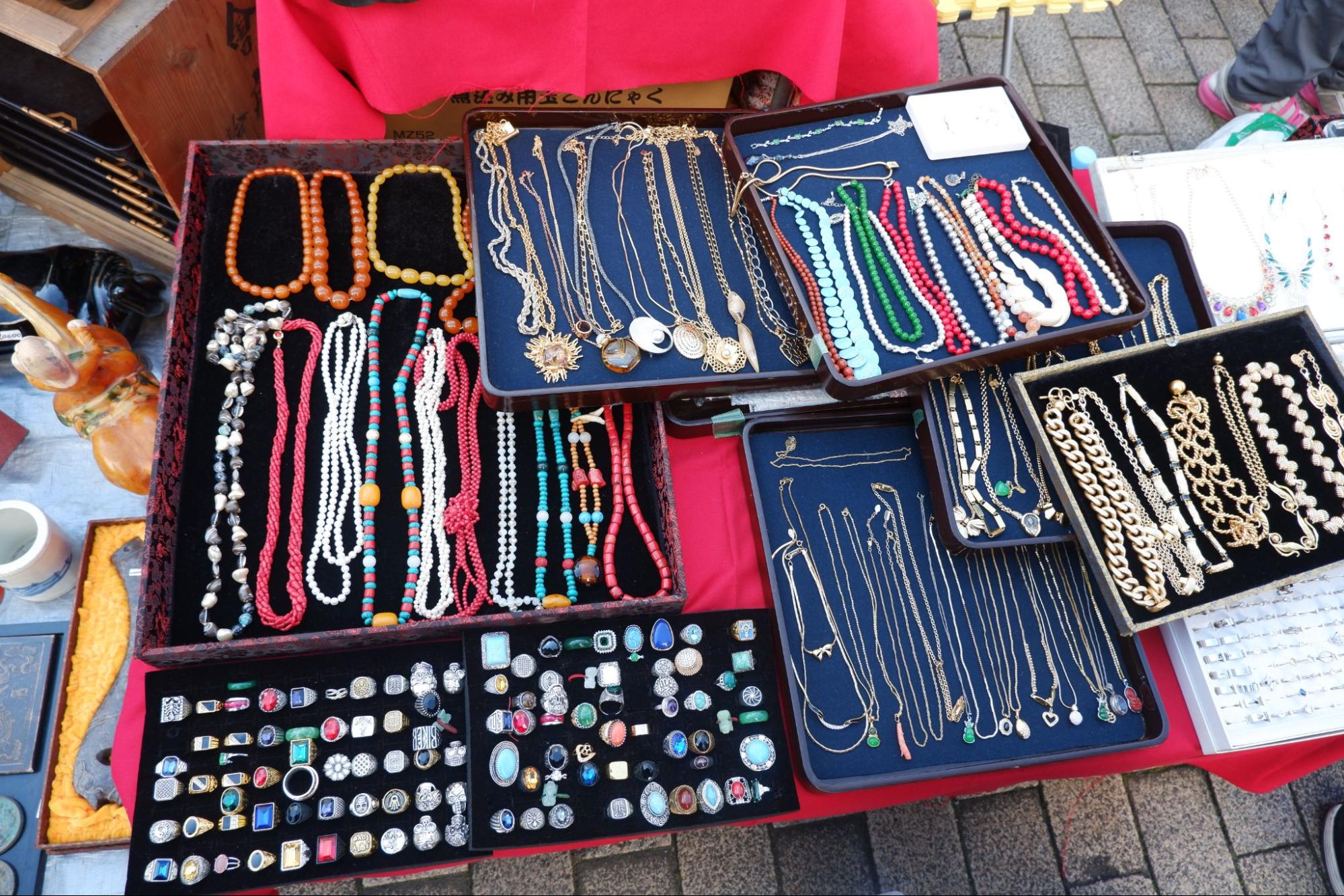
The vendors, many of whom are passionate collectors themselves, are often happy to share the stories and history behind their items, so don’t hesitate to strike up a conversation if something catches your eye. Interactions like these can reveal fascinating details about the craftsmanship, origins, and cultural significance of each piece.
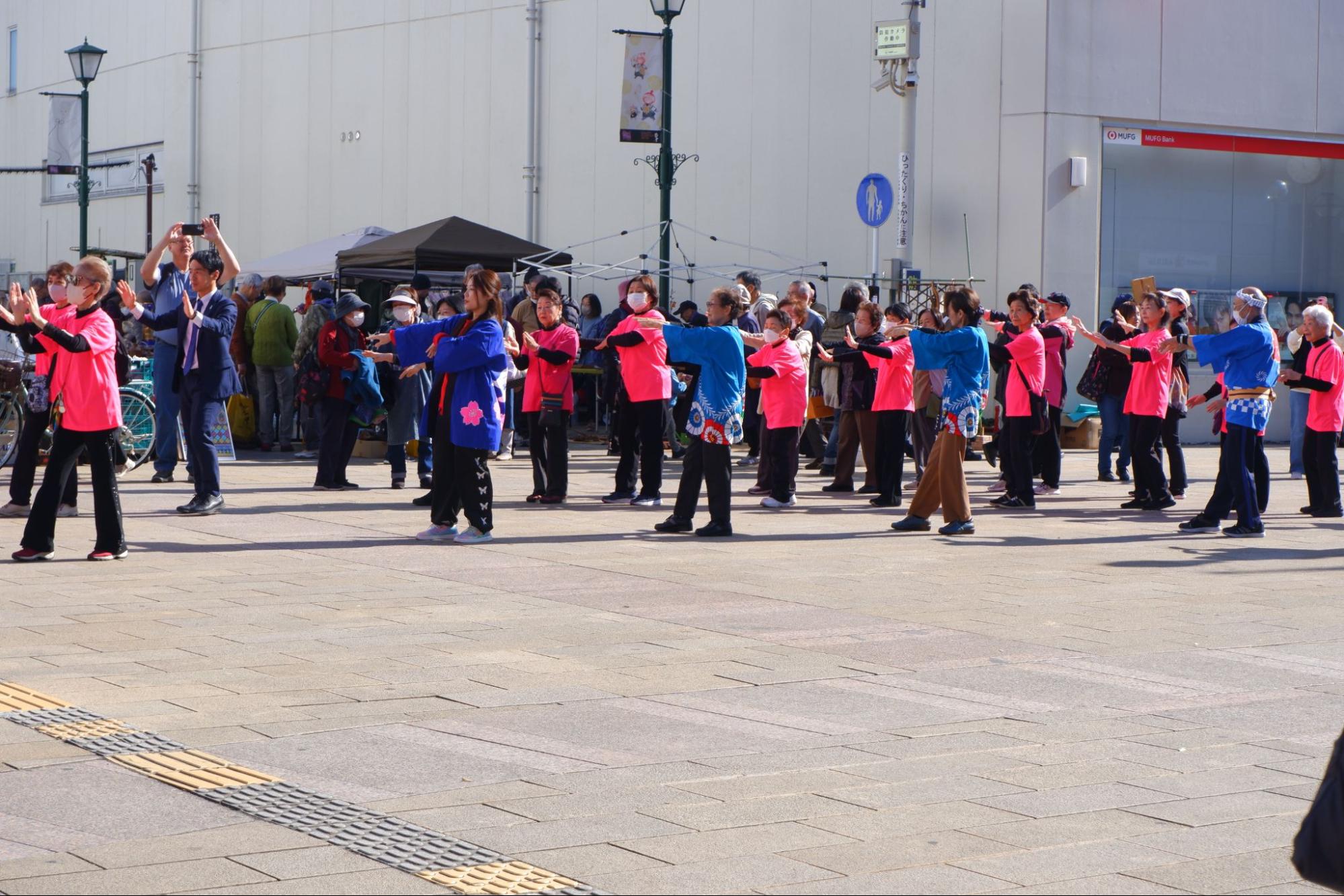
Aside from shopping, there’s a dedicated stage area featuring street acts and live performances that give the market its energetic flair. Each market day, a full program of entertainers takes the stage, offering visitors a lively break from browsing and drawing crowds with comedy, music, and other engaging acts. New performers are also welcome—those interested in joining the lineup can contact the executive committee at 046-240-0587 for audition and participation details.
It’s easy to get to the market from Tokyo. From Shinjuku, take the Odakyu Line bound for Katase-Enoshima and get off at Yamato Station. From Odawara, transfer to the Sagami Line’s Yokohama-bound train at Ebina Station. From Yokohama, board the Sagami Line via Ebina Station. All routes lead to Yamato Station, where the market occupies both the East and West Promenades.
Zou-Sun-Marche in Yokohama
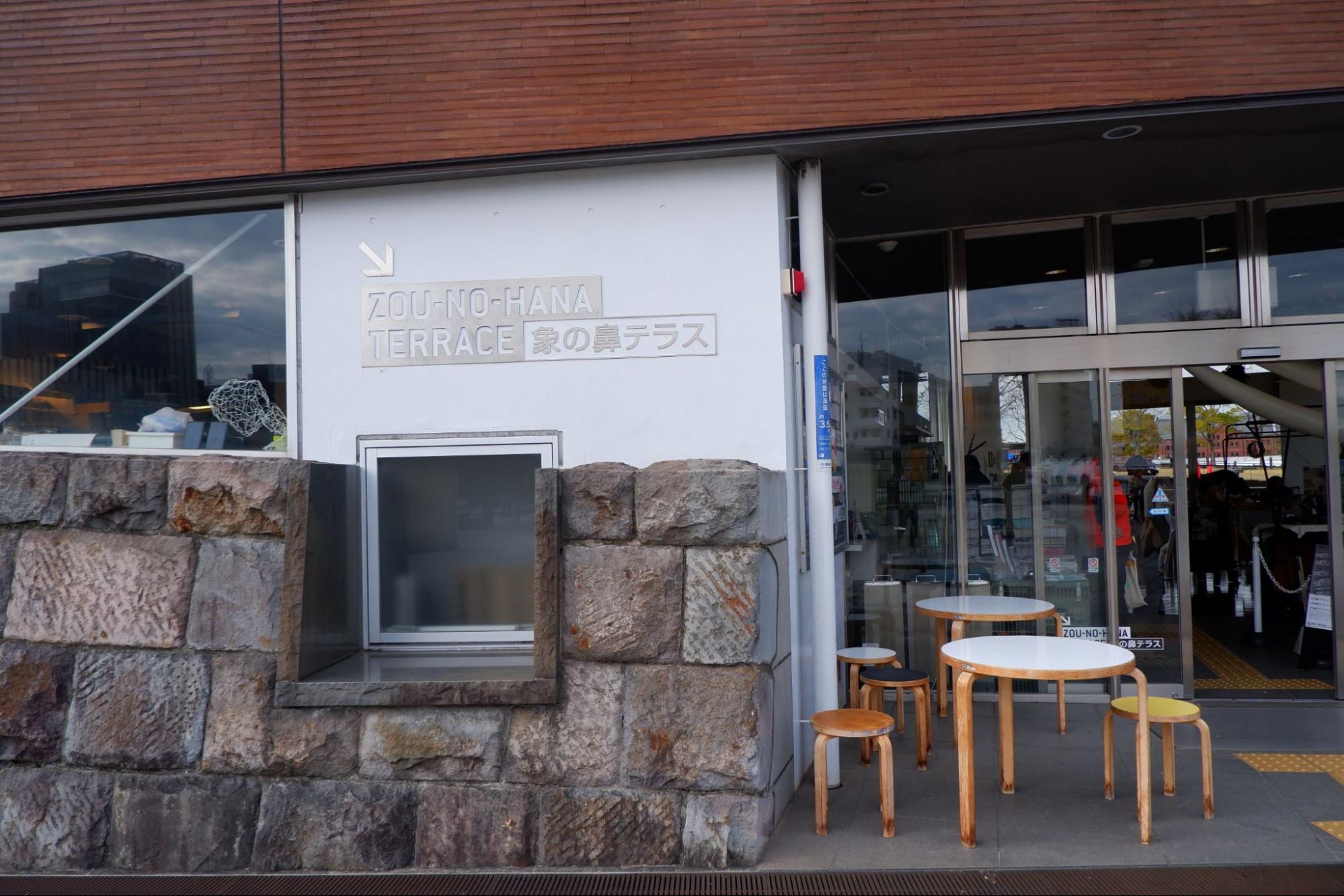
Zou-Sun-Marche is a weekend market held at Zou-no-hana Terrace (象の鼻テラス) in Yokohama. It aims to be a hub where local shops and visitors can connect and open up new encounters and delightful discoveries. Beyond simply selling and buying, the event fosters community interaction and creativity!
To appreciate the setting even more, it helps to know the history of Zou-no-hana Park, where the terrace now stands. This waterfront area carries deep historical significance, dating back to Commodore Matthew C. Perry’s second landing in Japan in 1854. After Yokohama was opened as a treaty port in 1859, the spot evolved into the city’s first active harbor, becoming a gateway for international trade and cultural exchange. Its name—meaning “elephant’s nose”—comes from the curved shape of the old embankments, which over time came to resemble an elephant’s trunk. The embankments in the area are faithful reconstructions of late 19th-century structures lost during the Great Kanto Earthquake of 1923, and the park features informative panels that share the area’s past.
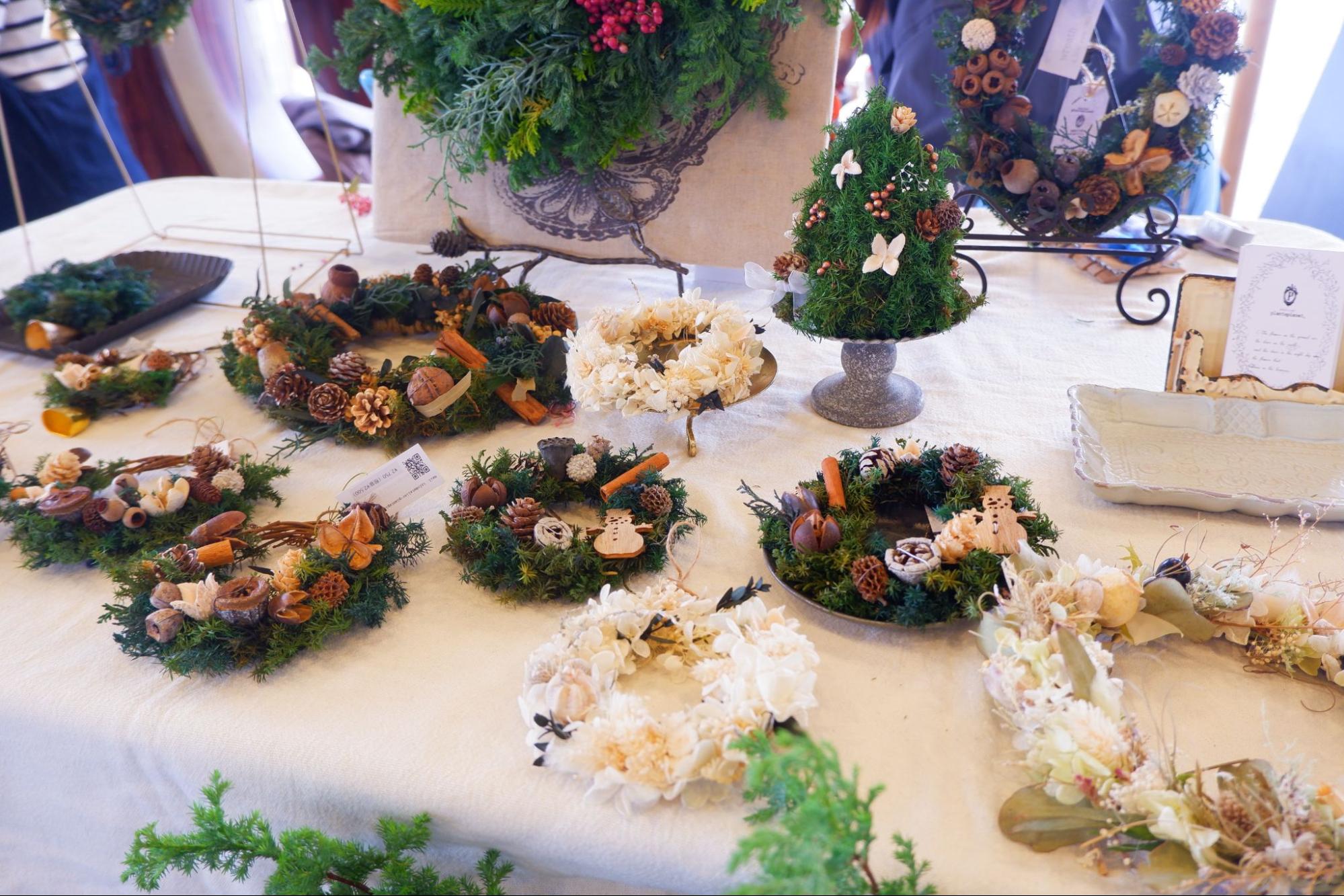
Zou-Sun-Marche takes place on selected weekends—Saturdays and Sundays—throughout the year, usually from 11am to 4pm, with several dates scheduled each season. The lineup changes often, featuring vendors who not only sell their creations but also offer hands-on workshops. Most participating artists are based in Yokohama, though the organizers have recently begun inviting creators from outside the city as well. The facility directly contacts artists whose style and atmosphere align with the concept of each event. While there’s no fixed theme, the selection often reflects seasonal inspirations.
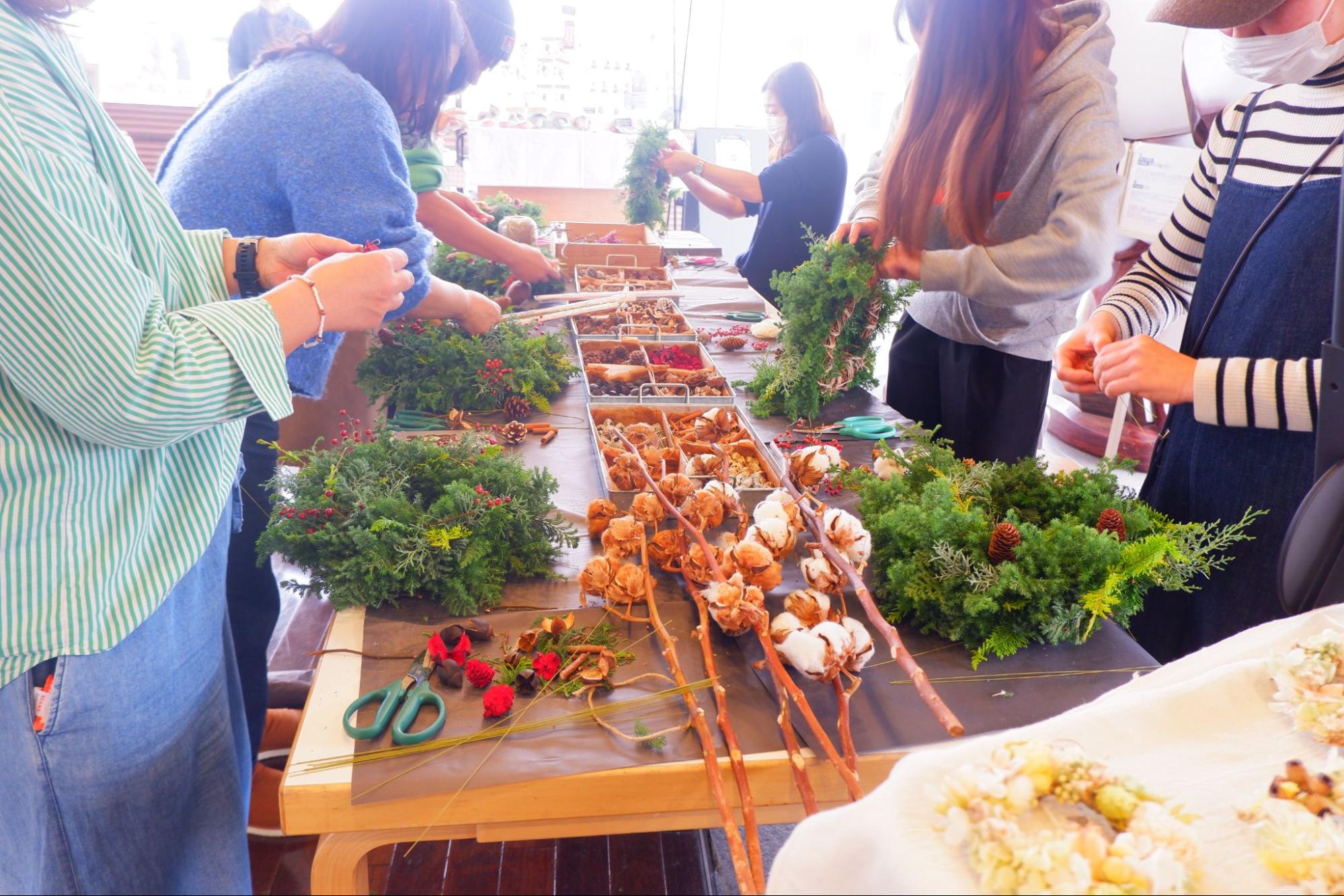
Admission is free, and visitors can stroll through stalls showcasing a wide range of items from local makers, artisans, and small businesses, such as handcrafted baked sweets, artisanal goods, and creative accessories. Some booths offer paid workshops, giving guests the chance to create crafts similar to those sold by the artists.
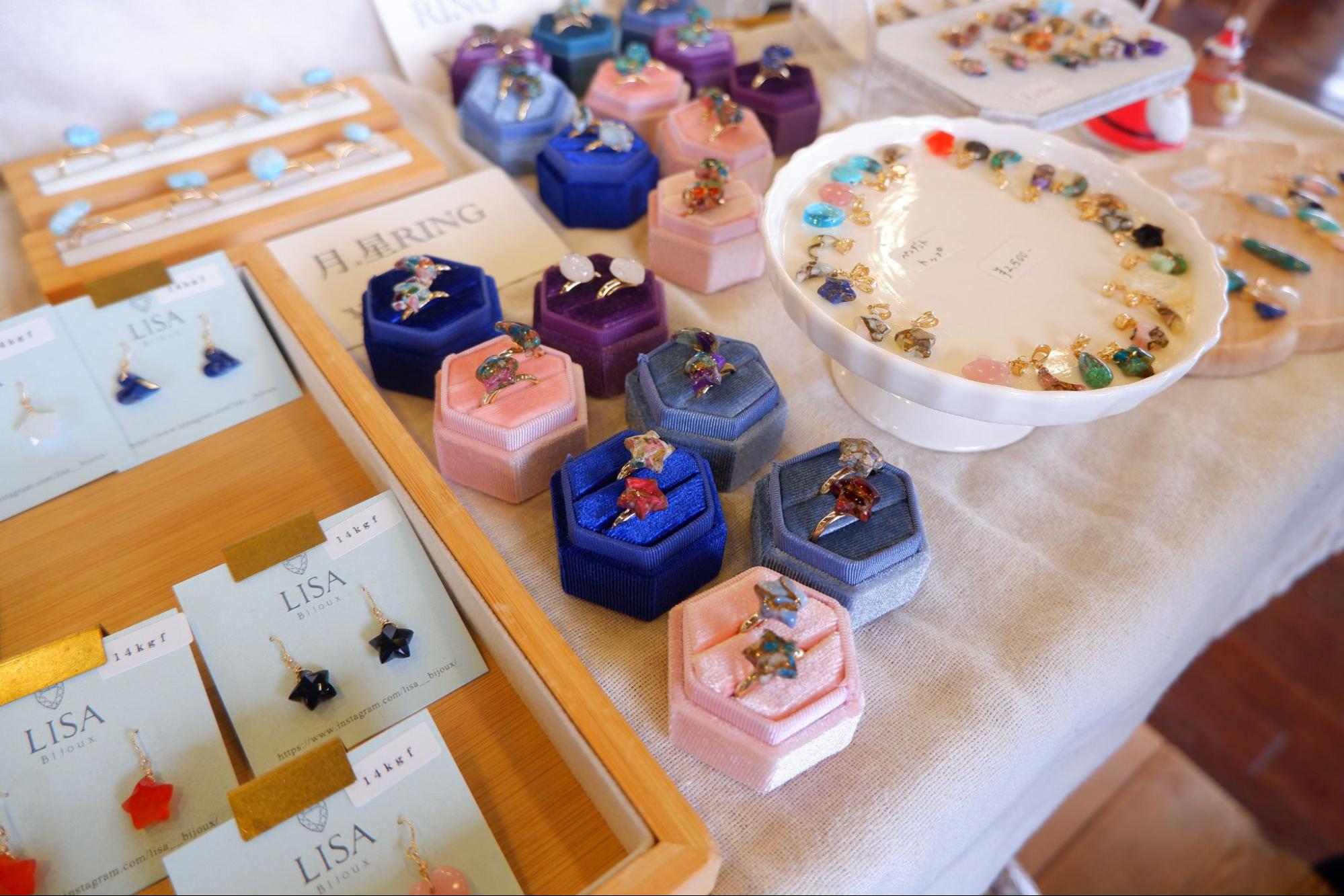
The recent event from November to December 2025 gathered a standout selection of independent creators, offering visitors a charming glimpse into Yokohama’s diverse craft scene. Among the creators were talented artisans who added their own flair through handcrafted pieces and interactive workshops.
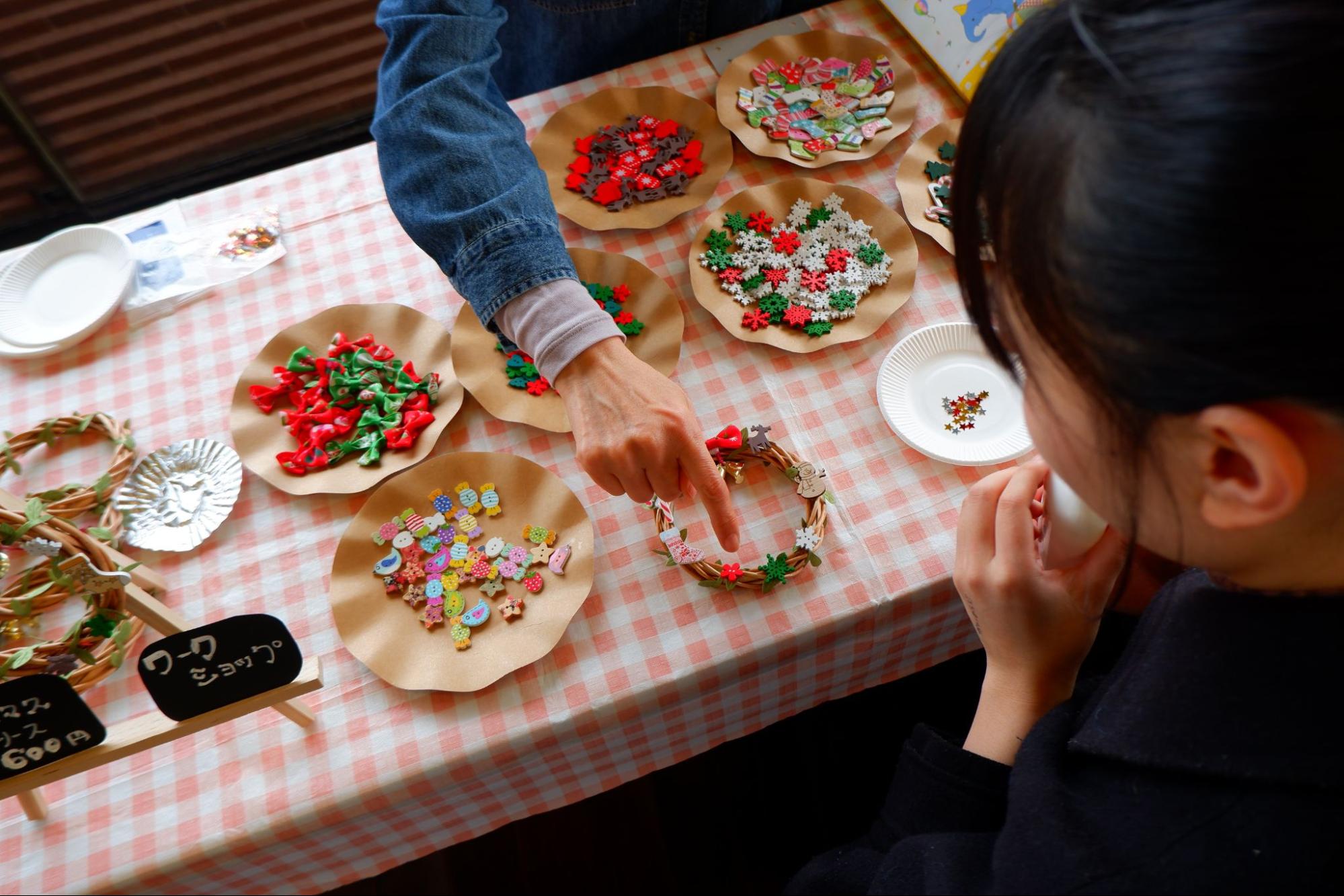
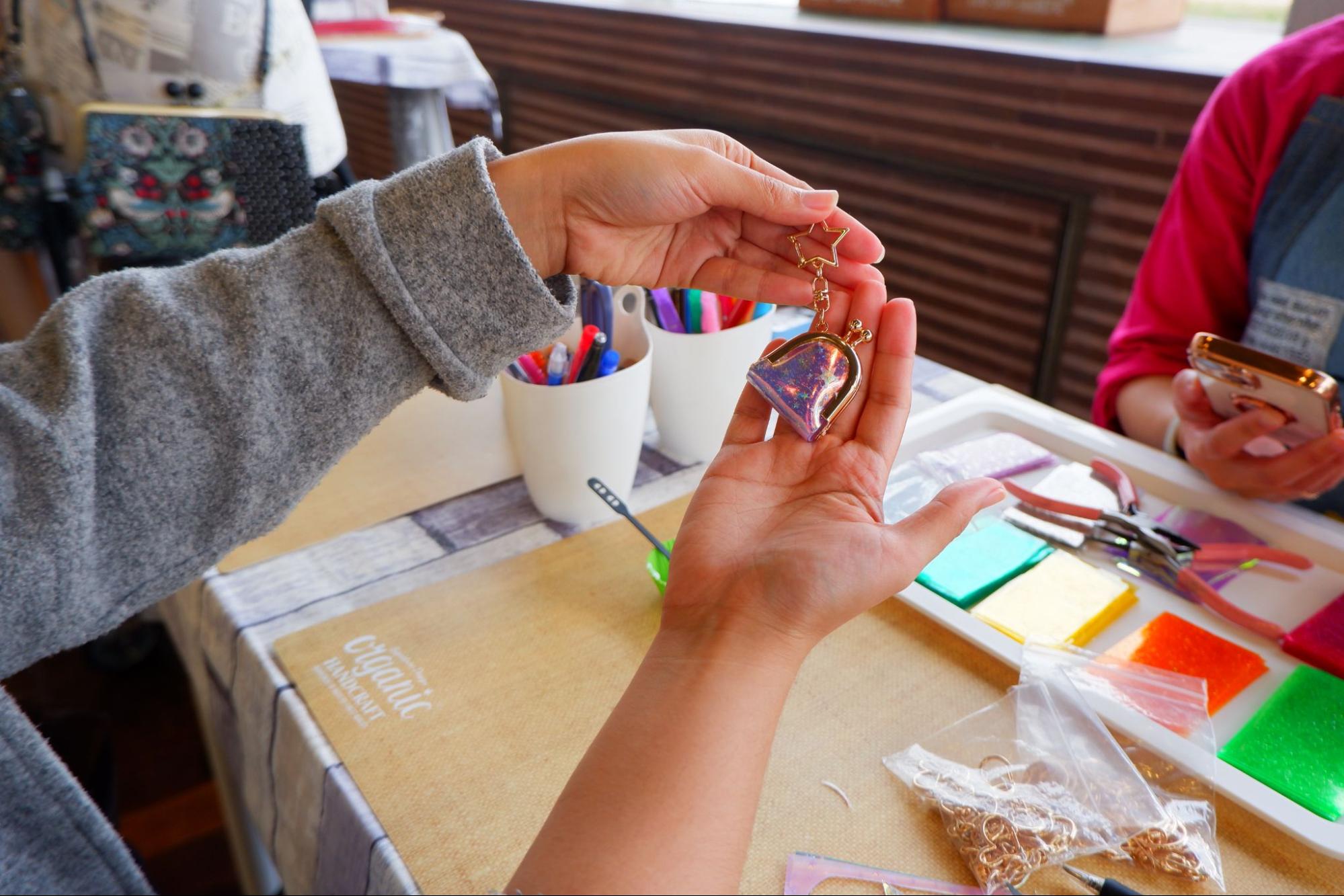
In addition to the regular weekend markets, special events such as the Night Marche and picnic-style live performances are also held. These events give each visit a fresh experience and encourage guests to linger and explore at their own pace.
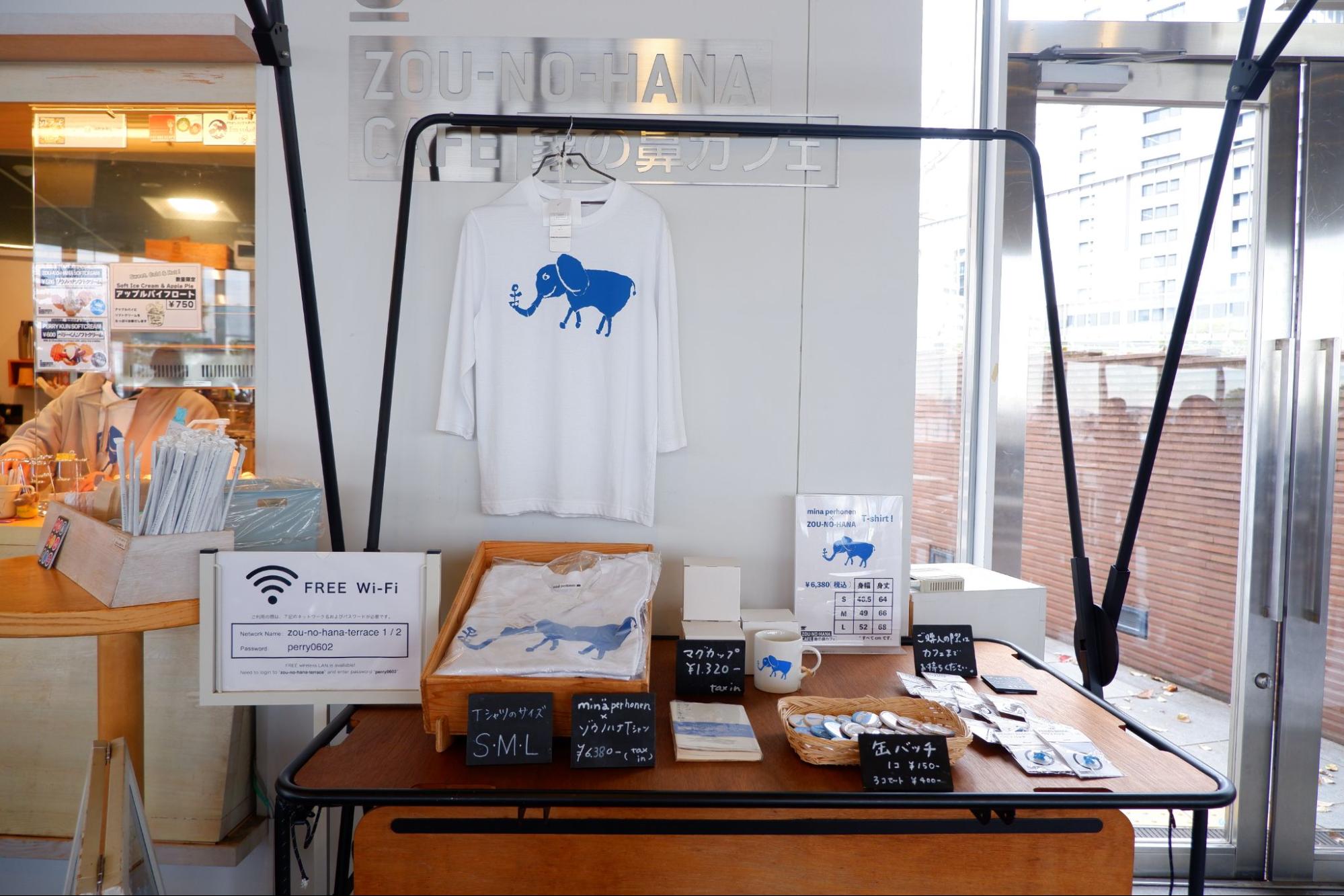
To get to Zou-Sun-Marche in Yokohama, take the Minatomirai Line to Nihon-odori Station—it’s just a short, five-minute walk from Exit 1 to Zou-no-hana Terrace, where the event is held along the waterfront. The area is also easily accessible from Motomachi–Chukagai Station and Kannai Station, making it a convenient stop whether you’re coming from central Yokohama or traveling in from Tokyo.
Hayama Sunday Morning Market
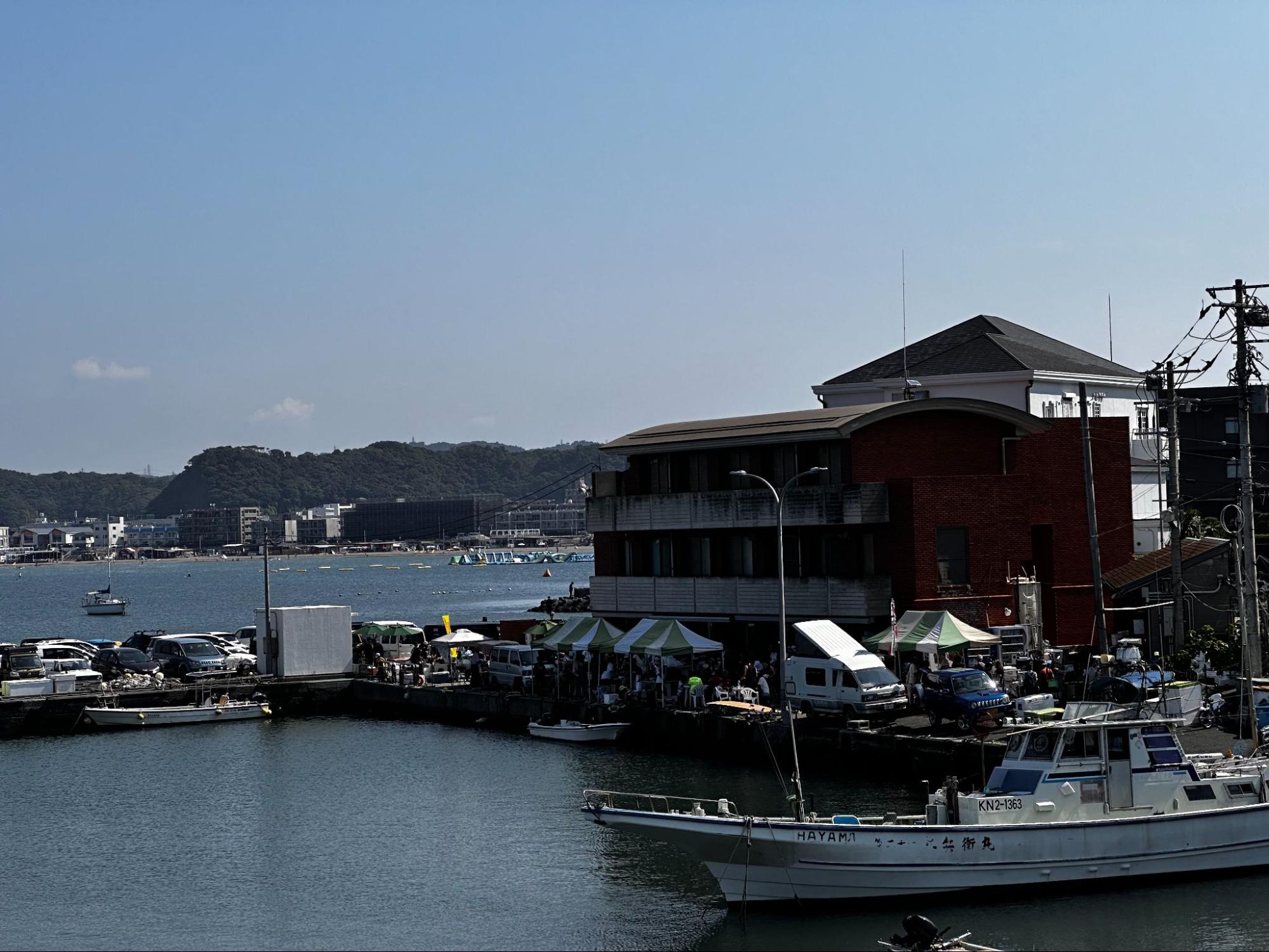
Hayama Sunday Morning Market is a weekly event held every Sunday in front of the Hayama Fisheries Cooperative at the Abuzuri port area in Hayama town. The market typically runs from 8:30am to 10:30am, but many vendors sell out early, so arriving before the official start can be worthwhile. It pauses only on the very first Sunday of the year, the final Sunday of December, or in severe weather conditions.
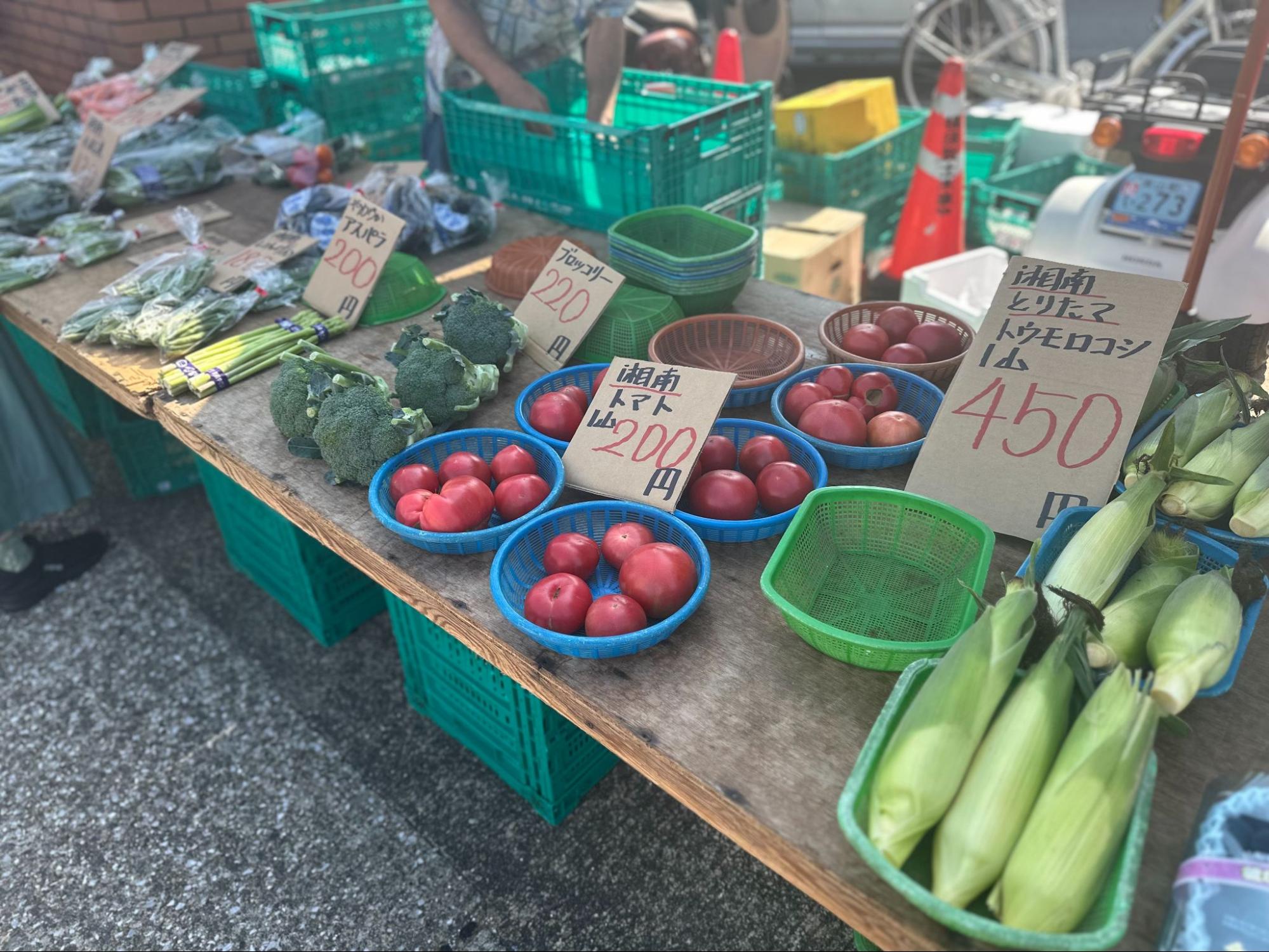
The market brings together a variety of fresh local produce and specialty foods that reflect Hayama’s seaside location and agricultural traditions. You’ll find fresh seafood, seasonal vegetables, local gourmet foods, and sometimes limited-edition sweets and treats that draw both locals and visitors. Many items are available exclusively at this market, contributing to its popularity as a Sunday morning destination.
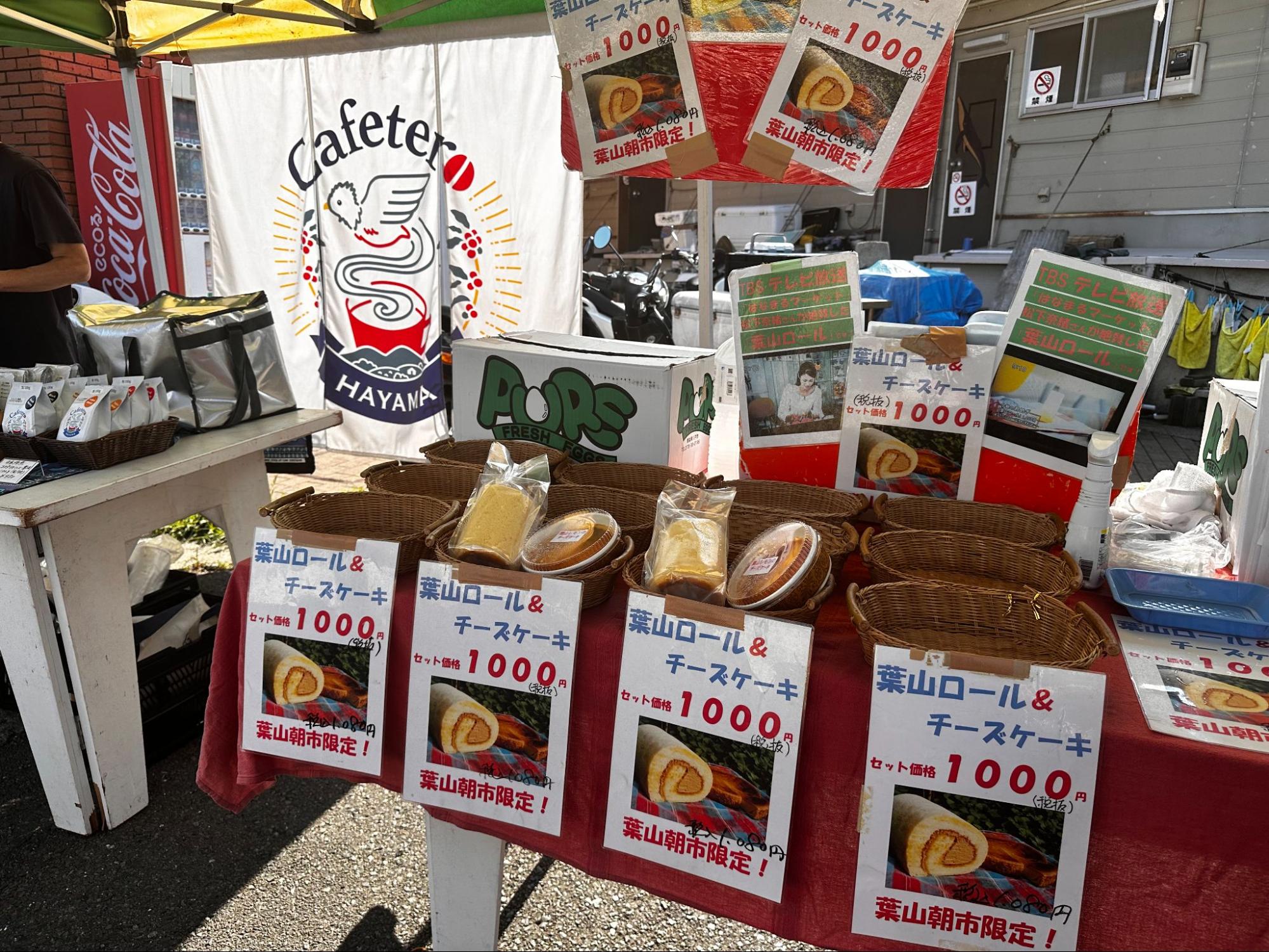
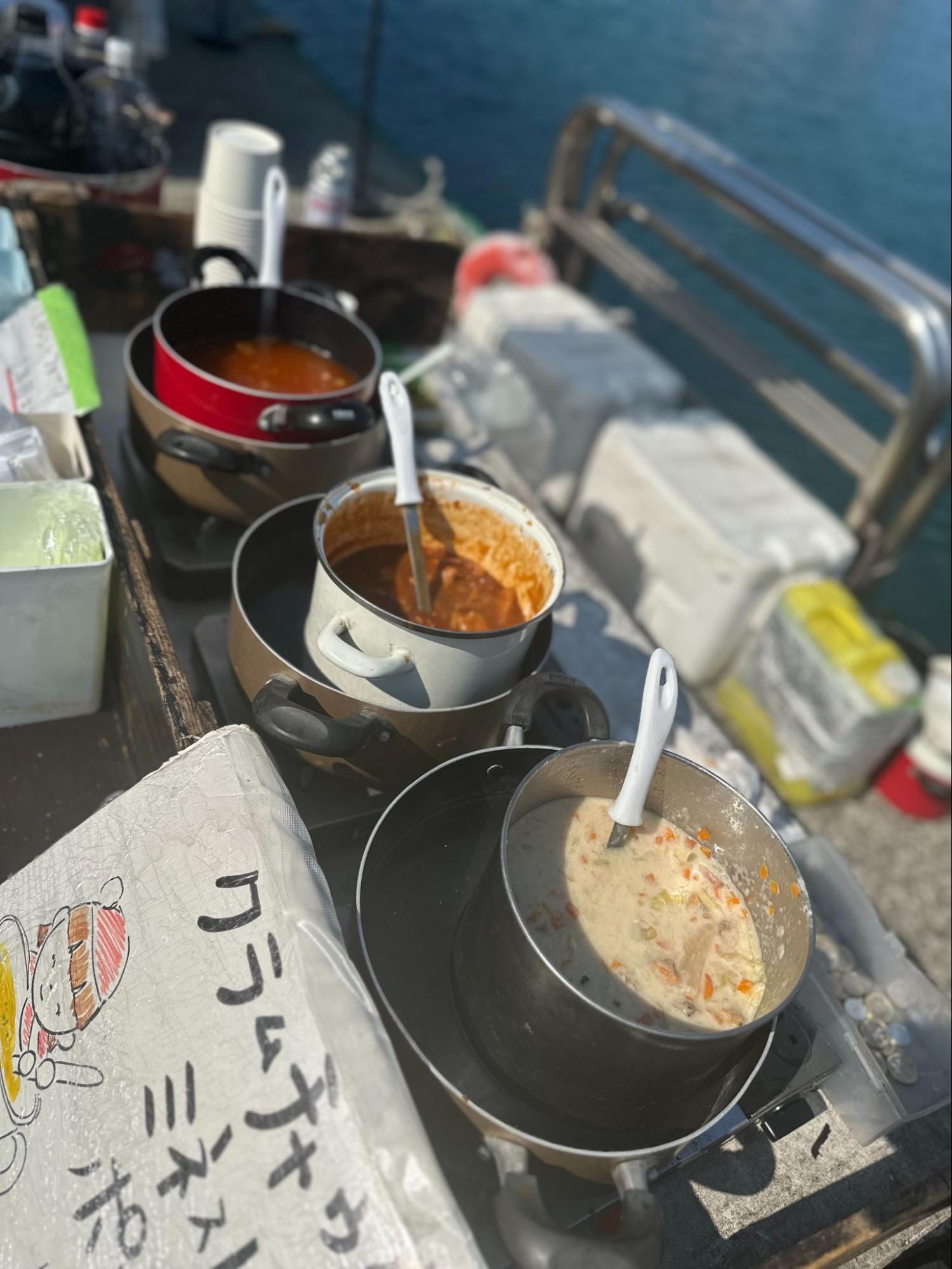
In addition to ingredients and snacks, the event often features local prepared foods such as pastries, croquettes, and other bite-size treats that give a taste of Hayama’s culinary character. Some vendors are known to bring special offerings that sell out quickly!
To get to the Hayama Sunday Morning Market from Tokyo, take the JR Yokosuka Line from Tokyo Station to Zushi Station (about 1 hour), then board the Keihin Kyuko Bus bound for Hayama (Coast Loop) and get off at the Abumizuri stop, just a minute walk from the market.
If driving from Tokyo, follow the Shuto Expressway toward Yokohama/Keihin Road, continue onto Zushi Shindo, head straight to the sea, turn left, and then turn right at the Abumizuri Hayama Port Entrance intersection; the market is approximately three kilometers from the end of Zushi Shindo.
Tips for enjoying Kanagawa’s morning markets
Kanagawa’s morning markets offer a unique way to experience the region beyond typical sightseeing. They are lively, everyday spaces where locals and tourists can interact directly and immerse themselves in the rhythms of community life.
To get the most out of your market visits:
- Plan to arrive early—many items, from fresh produce to unique crafts, sell quickly and the markets are busiest in the first few hours.
- Bring cash in small bills or coins, as many vendors do not accept cards or digital payments.
- Wear comfortable shoes for walking and browsing, and bring a tote or bag for your purchases.
- Take the time to talk with artisans and vendors, as they often share stories and insights about their work, adding depth to your experience.
- Check the schedule ahead of time to catch special events, workshops, or performances, which can make your visit even more engaging.
- Approach each market with curiosity and an open mind. Learning the sights, sounds, and flavors is just as rewarding as the treasures you take home.