Trip reports
Discover Kanagawa’s Hidden Adventures in Ashigara
Just beyond Kanagawa’s well-loved beaches and city centers lies a quieter side of the prefecture—mountain forests and preserved heritage sites that many travelers overlook. These lesser-known areas offer a different kind of adventure. For visitors who want more than the usual sightseeing loop, Kanagawa can open up into a landscape where nature and history reveal themselves together unexpectedly, and Ashigara is one of the best entry points into that blend.
Located in the western part of Kanagawa Prefecture, Ashigara is an area known for its dense cedar forests, volcanic foothills, and long-standing cultural routes connected to nearby Hakone. It sits between the mountain passes of Kanagawa and Shizuoka and is home to nature parks and spiritual sites that capture both its natural beauty and its role as a crossroads for travelers and pilgrims over the centuries.
Here are several outdoor stops in Ashigara that will add variety and excitement to your Kanagawa itinerary.
A Fun Forest Adventure at Maruta no Mori
In Minami Ashigara’s quiet forested hills, Ashigara Forest Park – Maruta no Mori is one of Kanagawa’s most welcoming gateways into the outdoors. Spanning a vast area roughly five times the size of Tokyo Dome, this forest park blends nature and recreation, making it a good spot for families and seasoned outdoor lovers. Here, you can trade the pace of the city for the calming rhythm of woodland trails, trickling streams, and a deep green canopy that shifts beautifully with each season.

Walking paths stretch across the area, guiding visitors through towering trees and seasonal flowers—perfect for a gentle stroll, a shaded nature walk, or a longer forest-bathing route. Highlights such as the Wildflower Garden, Botanical Garden, Suspension Bridge, and the Autumn Leaves Plaza create natural stopping points that shift beautifully with each season.
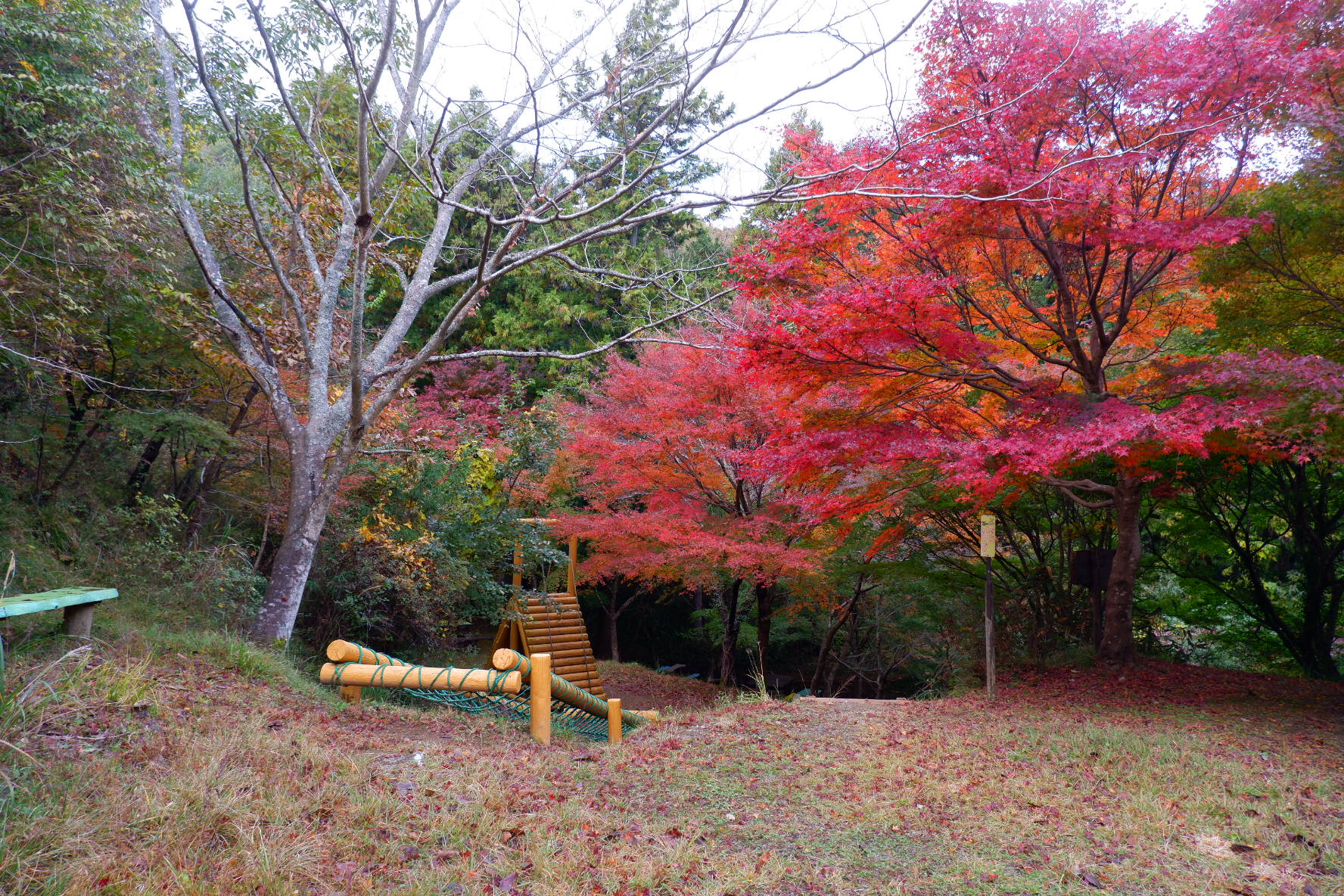
Families will find plenty to enjoy, thanks to a wide range of outdoor activities designed for all ages. The Family Play Area, equipped with wooden playground structures for preschoolers, offers a safe space for little explorers to climb and play. For longer visits, the park provides camping areas, bungalows, and wood-deck tent sites, along with BBQ facilities for day users. Nearby, the shallow Kazusa River allows for fun and supervised river play in warmer months, making the park especially popular with families seeking a relaxed day outdoors.

Maruta no Mori also preserves pieces of local history, giving the forest an added layer of depth. The most striking example is the Former Fukuzawa Elementary School, a beautifully maintained relocated wooden school building. Visitors can explore its nostalgic interior as a viewing facility (photography use requires prior inquiry). Paired with the surrounding nature and some old houses you can freely visit, this historic building offers a peaceful contrast to the park’s more active zones.
Maruta no Mori also features a delightful stamp rally for the curious explorer. 12 stamps match 12 star-marked spots, guiding visitors through gardens, wooded paths, bridges, and seasonal viewpoints—almost like a mini adventure that helps you uncover hidden corners along the way!
When you’re ready to plan your visit, getting here is simple: take the Odakyu Line to Shin-Matsuda Station or the Daiyuzan Line to Daiyuzan Station and transfer to a local bus bound for Maruta no Mori Iriguchi, or come by car via the Tomei Expressway’s Oimatsuda IC, just 15 to 20 minutes from the park with on-site parking available.
A Quick Lunch Stop at Juhachome Chaya
Set along the forest path leading to the well-loved Daiyuzan Saijoji Temple, Juhachome Chaya (十八丁目茶屋) is a classic mountain teahouse offering a restful break and a menu of familiar regional dishes. The shop carries the charm of traditional mountain culture, serving local Japanese comfort food in a cozy, welcoming setting.
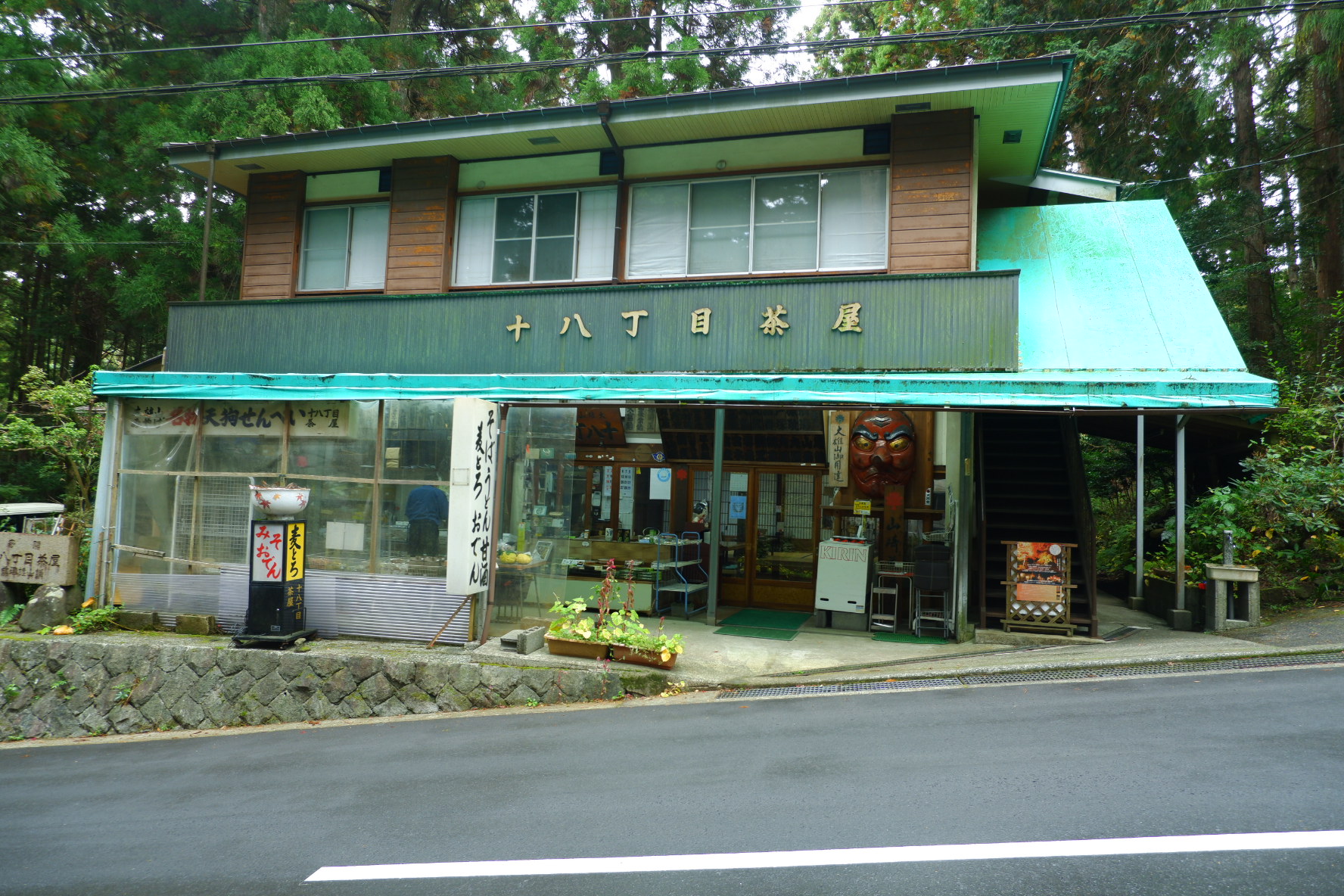
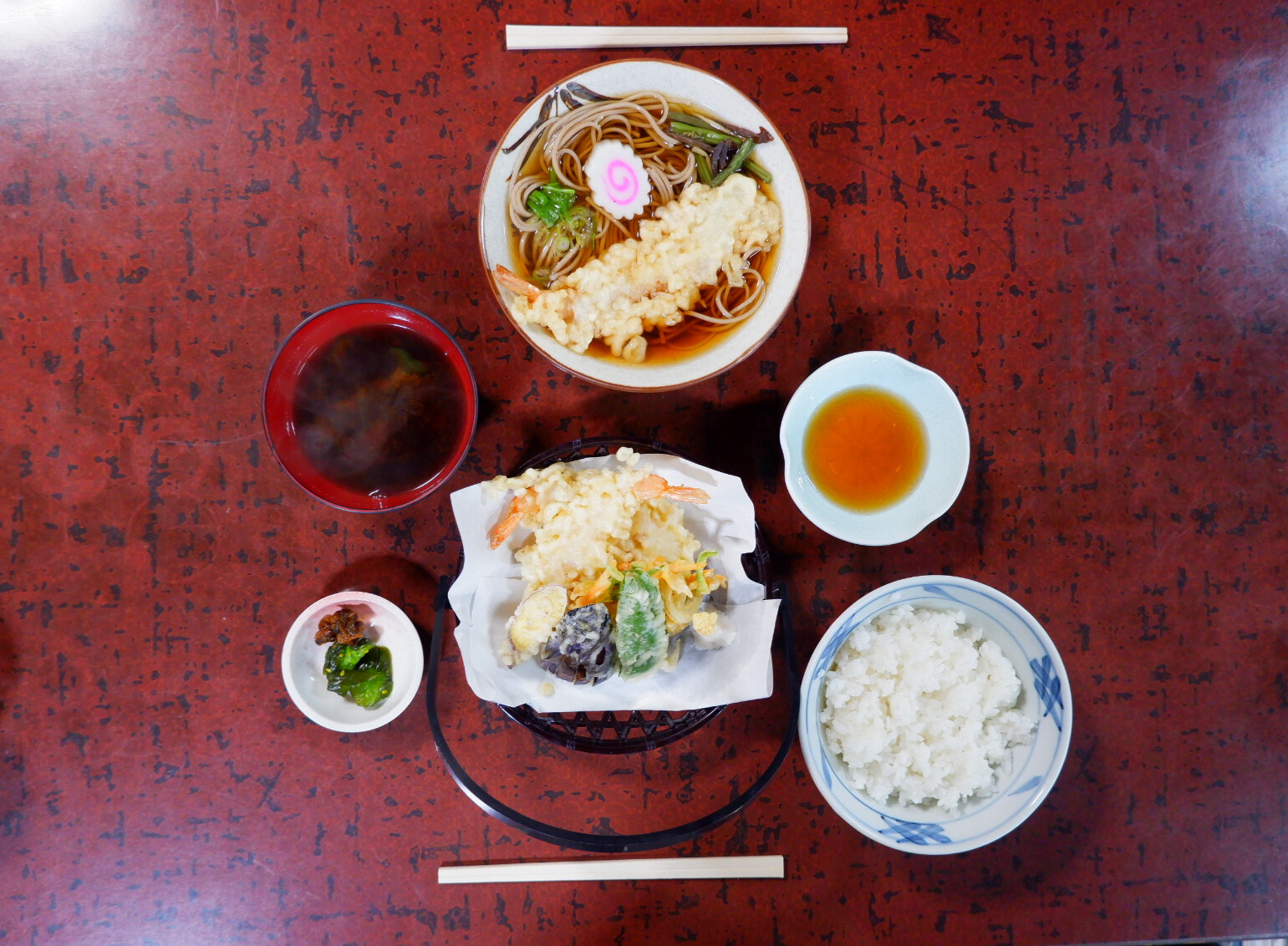
The menu features a satisfying range of noodles, including kake soba/udon, tanuki soba, tsukimi udon, sansai (mountain vegetable) soba/udon, and the ever-popular tempura soba/udon. On the rice meal side, you’ll find curry rice, tendon (tempura bowl), and mugitoro teishoku (a barley rice set with grated yam), a local specialty that’s filling but gentle on the stomach—popular with hikers.
For snacks and sides, the shop serves oden, miso oden, and yamaimo nori-maki (mountain yam wrapped in seaweed). Among travelers and locals, the teahouse’s sansai soba, tempura soba, and oden are often named as favorites—comforting, warming dishes that hit the spot after the ascent. Curry rice and tendon also stand out as filling options for those needing energy before continuing deeper into the temple grounds.
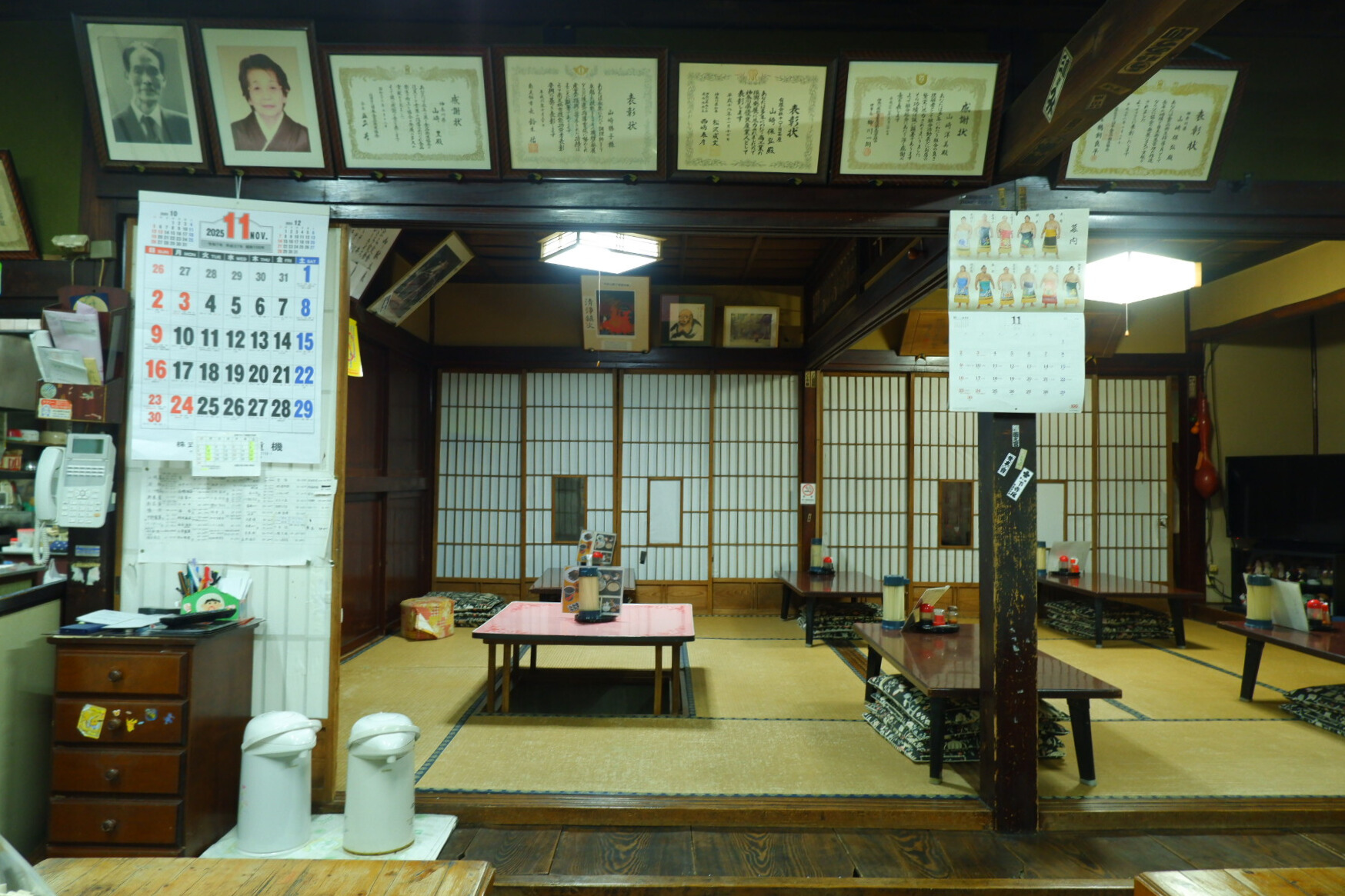
Juhachome Chaya is a cozy stop in both warm and cold seasons. Combined with the rustic charm of the setting and the friendly, no-fuss atmosphere, these simple, well-loved dishes make it a memorable part of any visit to Saijoji and the surrounding Ashigara forest.
For those coming from Maruta no Mori, reaching the teahouse is straightforward: from the park, follow the forest road back toward the main bus route and head in the direction of Daiyuzan Saijoji Temple. Juhachome Chaya sits just before the temple’s upper approach. Visitors arriving by public transport can take the Daiyuzan Line to Daiyuzan Station, then board a local bus to the Saijoji bus stop, from which the teahouse and temple entrance are only a short walk uphill.
A Sacred Mountain Experience at Daiyuzan Saijoji Temple
Deep in the cedar-lined mountains of Minami-Ashigara, Daiyuzan Saijoji Temple stands as one of Kanagawa’s most atmospheric spiritual sites. Founded over 600 years ago, this Soto Zen temple is known for its tranquil forest path and towering ancient trees. It is regarded as one of the major temples of Soto Zen Buddhism, following Eiheiji in Fukui and Sojiji in Tsurumi.
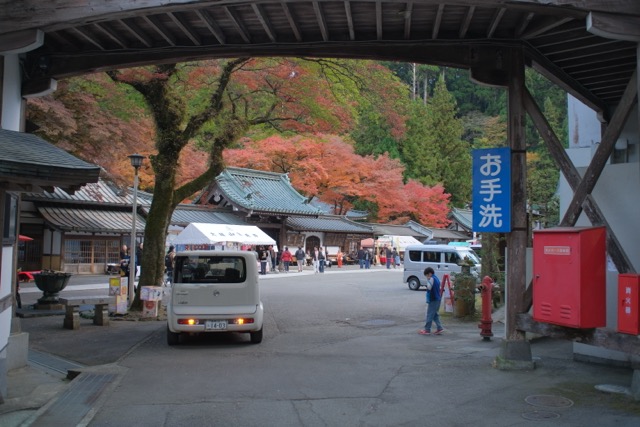
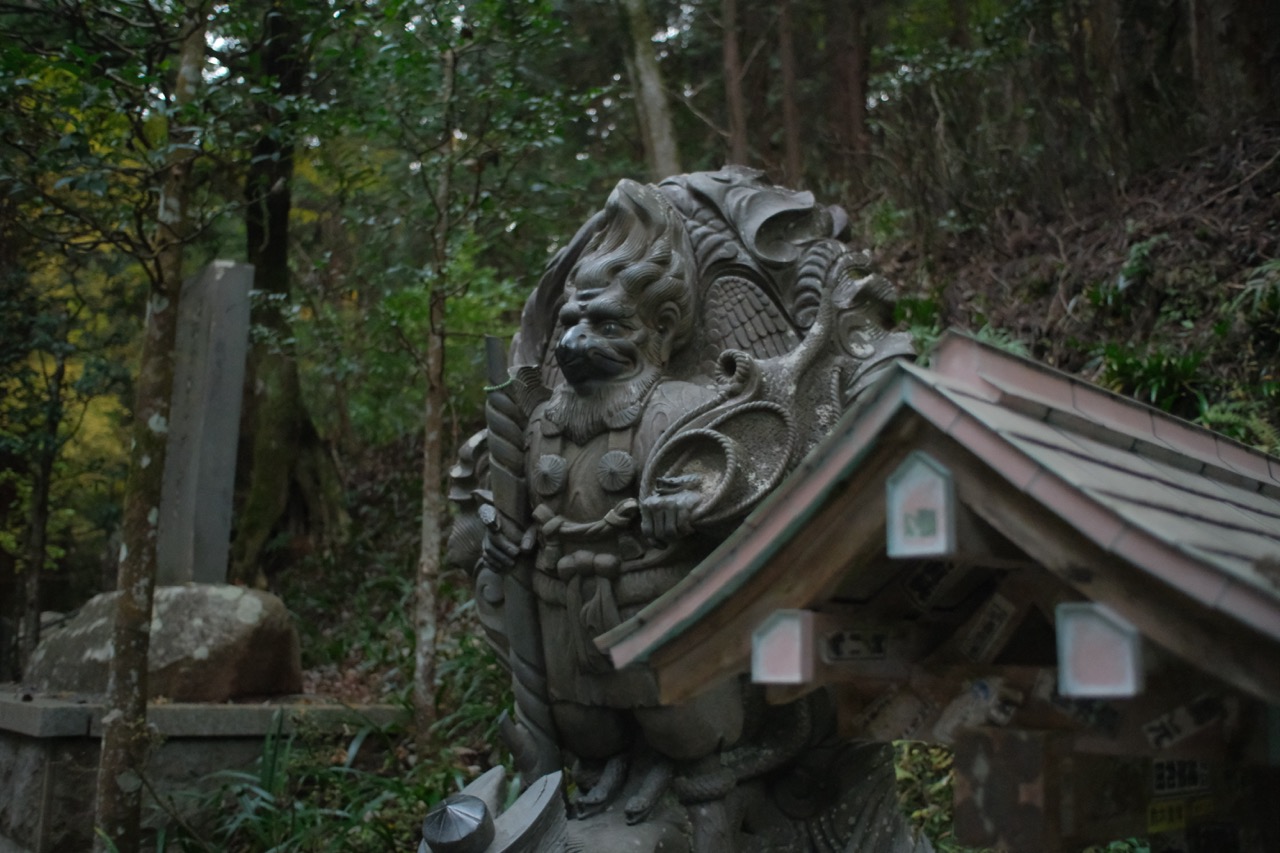
Most importantly, Saijoji honors Doryo Daigyojin, its legendary guardian whose presence is celebrated through various tengu figures scattered across the grounds. Visitors will find statues of the towering long-nosed tengu said to possess great spiritual power, as well as smaller crow-billed tengu associated with agility and flight. The temple also features a stone statue depicting the tale of Doryo transforming into a tengu after the death of his master, vowing to protect the mountain forever. Even the giant wooden geta displayed around the temple reference this lore, symbolizing the tengu’s supernatural stride and offering blessings for harmony and strong relationships.
The temple grounds themselves are vast, with dozens of halls, statues, and monk pathways spread across a mountain slope. The ascent to the upper halls, including the Oku-no-in, offers a rewarding view of towering cedar trunks and the longstanding architectural beauty of Saijoji. Visitors often speak of the temple’s quiet intensity—the feeling that the deeper you climb, the more the outside world fades into silence.
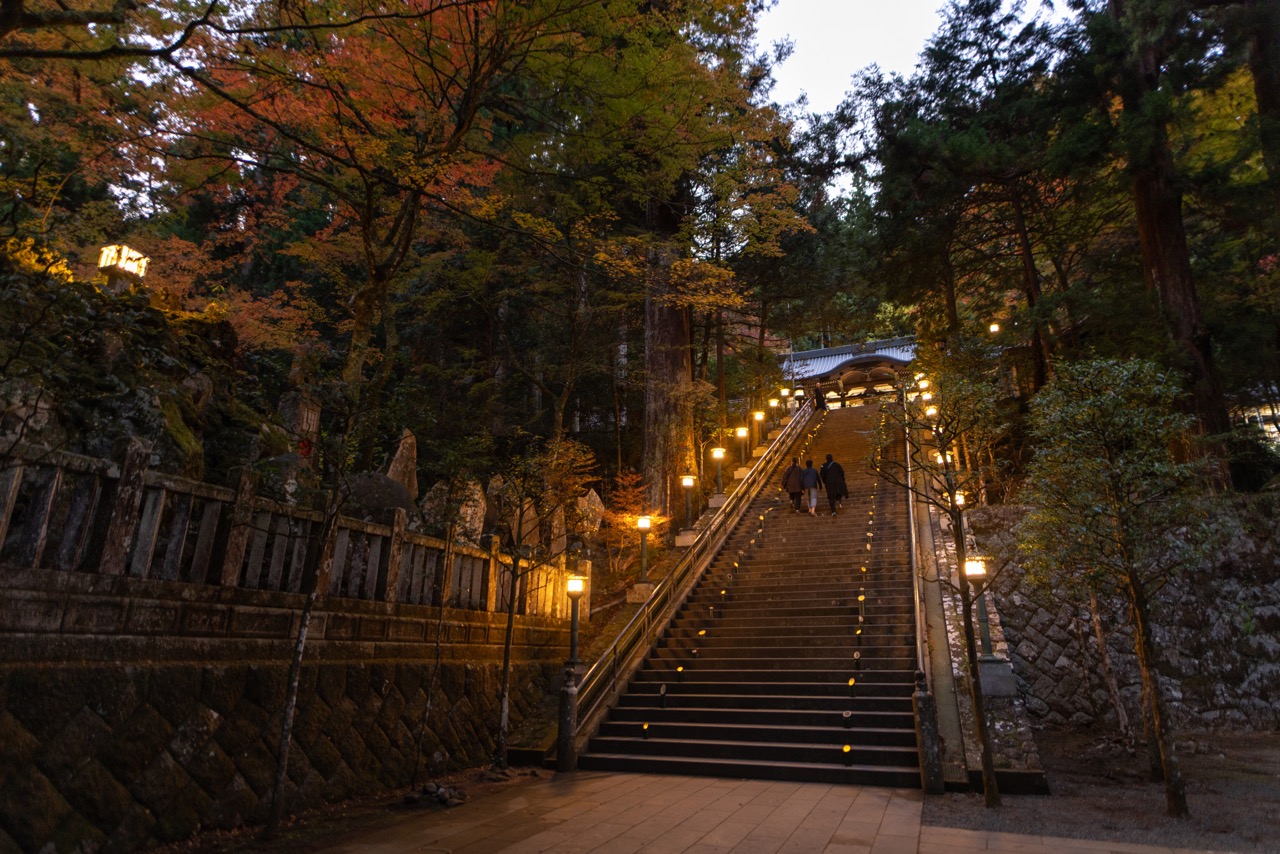
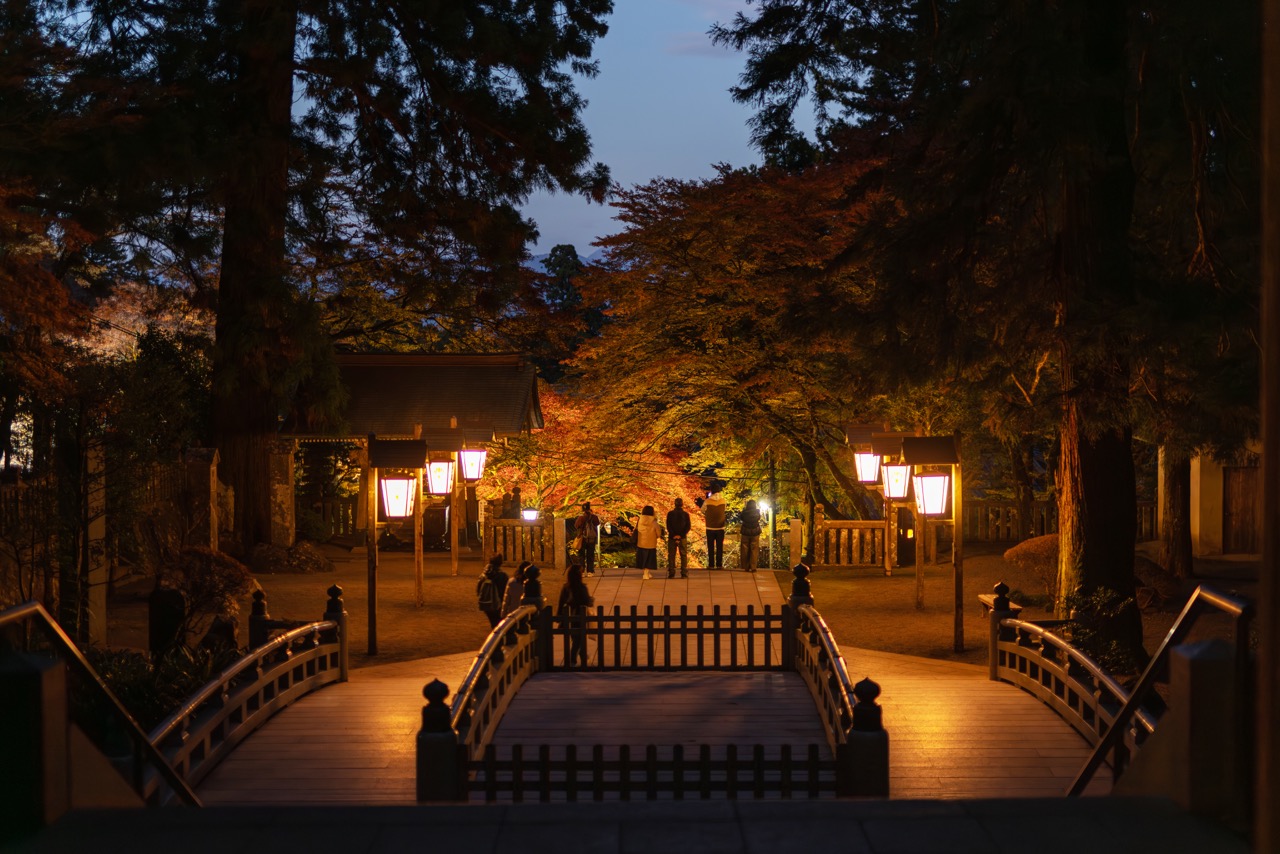
Every November, Daiyuzan Saijoji Temple becomes one of Minami-Ashigara’s most magical autumn destinations thanks to the annual Ashigara Light Festival, which aims to boost regional tourism in Ashigara by coordinating illumination efforts across the area. For a limited period in late November, the temple’s towering cedar forests and vibrant maple trees are illuminated from late afternoon into the evening, transforming the already serene grounds into a glowing landscape of gold, amber, and deep red. Visitors can walk the temple approach, explore lantern-lit paths, and enjoy the rare chance to experience Saijoji’s sacred atmosphere after sunset.
The event also includes small workshops, local craft displays, and vendor stalls selling snacks and regional products—making it both a foliage viewing experience and a celebration of Ashigara’s culture and community. For those hoping to bring home a unique souvenir, the craft displays feature wooden ornaments and light-up figures inspired by Ashigara’s landscape and folklore. Visitors looking for temple-related keepsakes can also explore Saijoji’s official items, such as Tengu geta charms, Tengu-themed T-shirts, and the temple’s Red Seal Book, which are available on-site or through the Saijoji online shop.
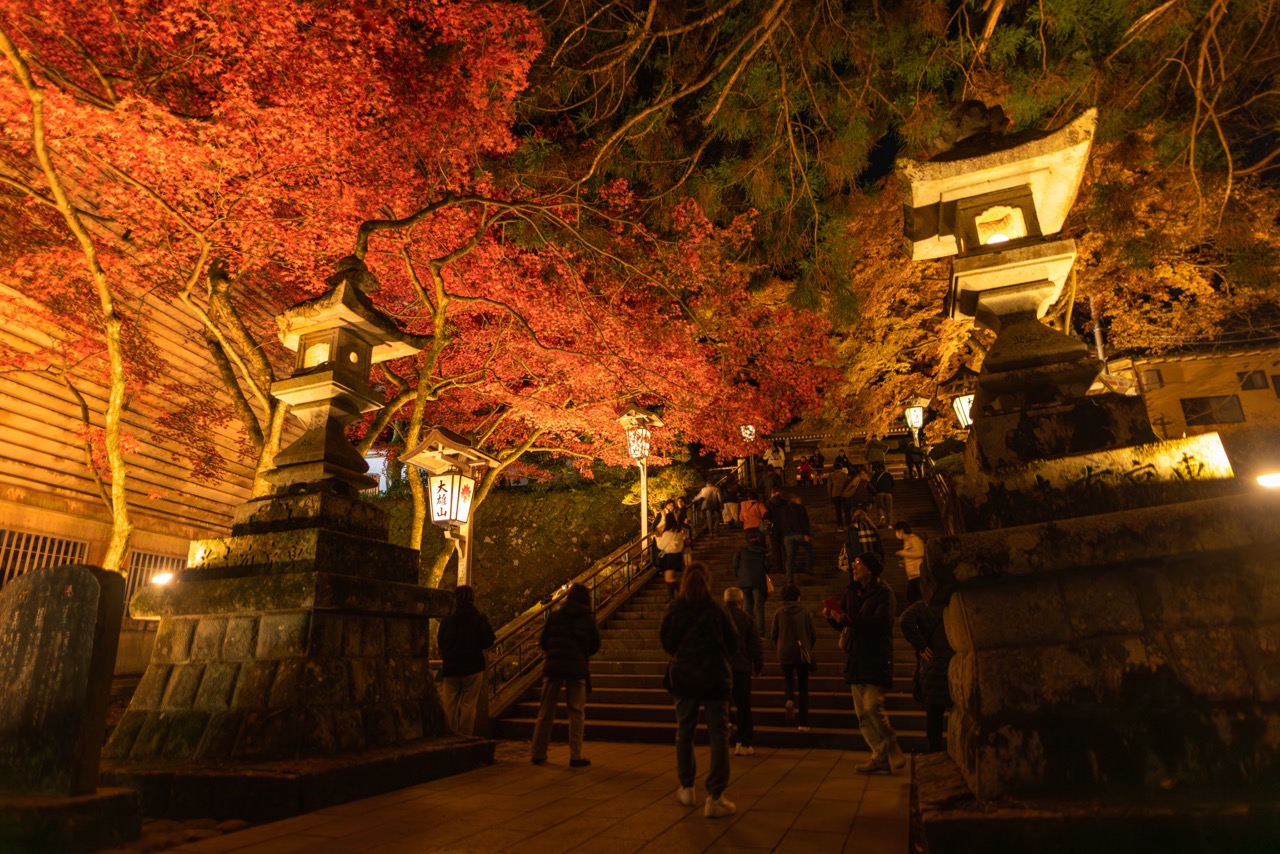
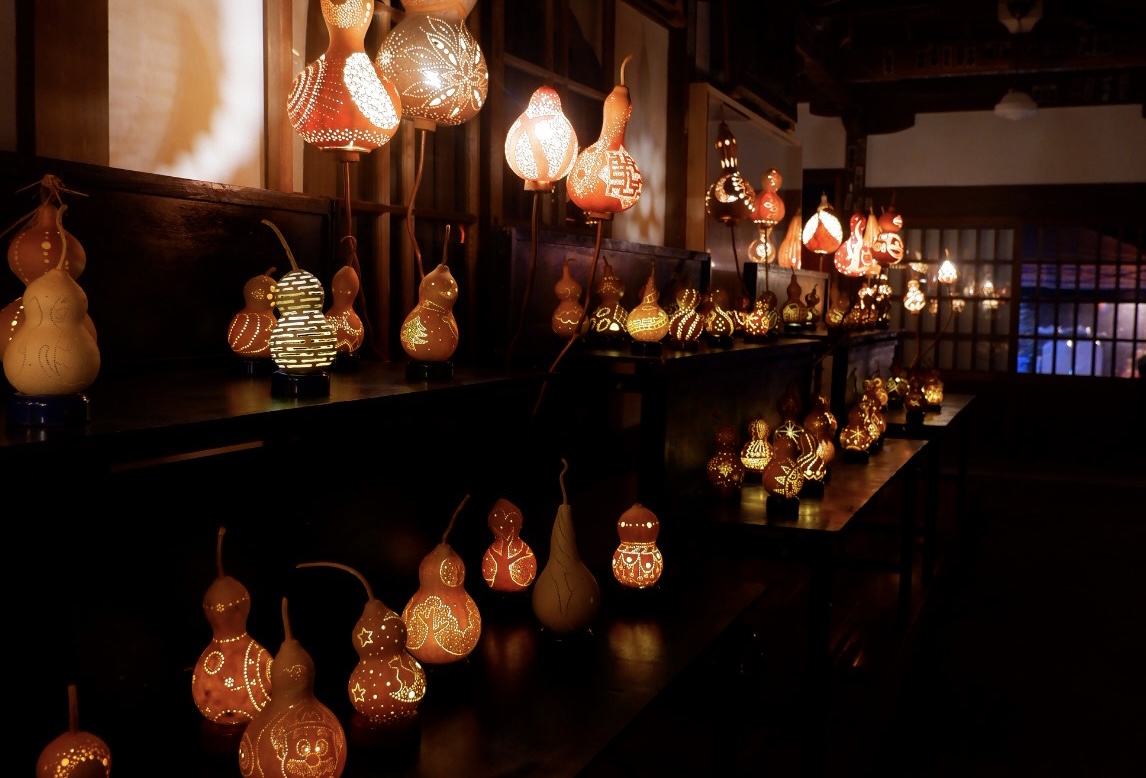
Daiyuzan Saijoji Temple’s scale, history, and deep-rooted folklore make it a destination that rewards slow exploration, and the seasonal light-up adds a rare chance to see its cedar-lined paths transformed after dusk. After a morning in Ashigara’s forests and a simple meal at Juhachome Chaya, ending the day at Saijoji ties a unique experience together, showing how this small region of Kanagawa holds more depth than its size suggests.
Make sure to give yourself enough time to walk the grounds, appreciate the quiet of the mountain, and take in the distinct character of Ashigara when you come to visit.